Instruct the wise, and they will be even wiser
Have you ever had a moment where you were sure God was speaking to you… and then five minutes later you started to wonder, “Was that really God, or was that just me?” Many believers live in that tension every day – wanting to obey God, wanting to follow His leading, but secretly asking, “How do I know I actually heard from Him and not from my own thoughts or emotions?” All through Scripture, we see a God who speaks to His people. The same God who spoke then still speaks today. The real issue for us is not whether God is speaking, but whether we can recognise His voice when He does. If you can learn to discern God’s voice, you can stop living in constant confusion and start living with a different kind of boldness. Let’s unlock the biblical keys to discernment in this article.
Learning to clearly hear God’s voice is invaluable. Instead of navigating life blindly, we can benefit from the wisdom of God’s guidance and protection. How can we recognise the voice of God? First, it’s important to note that recognising God’s voice is often simpler than we assume. Throughout the Old Testament, we frequently see accounts of God communicating with His people. There is a recurring phrase in the Old Testament that says, “the word of the Lord came to,” which is a common way to describe direct communication from God to His people. For example, “the word of the Lord came to Jeremiah” appears in the introductory verse of the Book of Jeremiah, indicating that God was speaking to the prophet. “The words of Jeremiah the son of Hilkiah, of the priests who were in Anathoth in the land of Benjamin, 2 to whom the word of the Lord came in the days of Josiah the son of Amon, king of Judah, in the thirteenth year of his reign” (Jeremiah 1:1-2).
“Moreover the word of the Lord came to Jeremiah a second time, while he was still shut up in the court of the prison, saying, 2 “Thus says the Lord who made it, the Lord who formed it to establish it (the Lord is His name): 3 ‘Call to Me, and I will answer you, and show you great and mighty things, which you do not know.’ (Jeremiah 33:1-3)
“Then the word of the Lord came to Jeremiah, saying, 27 “Behold, I am the Lord, the God of all flesh. Is there anything too hard for Me? 28 Therefore thus says the Lord: ‘Behold, I will give this city into the hand of the Chaldeans, into the hand of Nebuchadnezzar king of Babylon, and he shall take it” (Jeremiah 32:26-28).
Samuel heard the voice of God three times, mistakenly believing it was the priest calling him. After running to the priest, he later realised it was actually the Lord speaking to him. This raises the question: how can you hear God? How do you know if God has spoken to you? John 10 in the New Testament provides several verses on the topic of hearing God’s voice. So, how can you be certain that you’ve heard from God? One of the most insightful passages regarding this is Romans 10:17, which states, “So then faith comes by hearing, and hearing by the word of God.” When you truly hear from God or when something resonates deeply within you, faith will be awakened; it will come alive or be activated. This is the clearest indication that you are hearing from God. You may suddenly feel a surge of faith, receive a vision along with faith for that vision, or gain revelation, understanding, or wisdom.
It’s important to understand that faith comes from “hearing,” not from “having heard.” People cannot rely on the revelations they received from God years ago unless they are still hearing the Lord speak those same truths to them now. When we hear from God or when the Spirit quickens something within us, we gain understanding, wisdom, vision, and faith. These are all signs that we have received a message from God or that something has been awakened in us. Therefore, we should expect God to speak to us. The Lord does not fail to communicate; rather, it is we who often fail to listen. By opening our spiritual ears to what God’s Word is saying, we can keep our faith alive in the present (Proverbs 4:20-22, Mark 6:52, and Mark 8:17).

" We can get in tune with the spirit of God just like you tune a piano or a guitar. "
Are you longing to hear from the Lord, but don’t know where to start? What are some practical steps to become better at listening? How can you enhance your relationship with God and be more attuned to His voice? First and foremost, immerse yourself in the Word. If you want to hear God, read the Bible regularly. Spend time reading, meditating, and reflecting on God’s teachings. Make it a habit to praise Him and live a life filled with gratitude. Appreciate the simple blessings in your life: the roof over your head, the food you eat, the car you drive, and everything you have. Be grateful and thankful, and look for opportunities to bless others. Speak words that uplift and encourage those around you. Avoid being judgmental or critical. So, how can you become more in tune with hearing from God? Stay rooted in His Word and remain in the spirit. Cultivate an attitude of gratitude, focus on giving, and think of others. All these practices will help align you with the Spirit of God. Conversely, if you find yourself being judgmental, critical, or constantly complaining, or if you adopt a victim mentality, you will struggle to hear God’s voice. Therefore, approach your life with positivity and openness to truly connect with Him.
We can get in tune with the spirit of God just like you tune a piano or a guitar. You can attune your spirit by immersing yourself in the Word of God, practising gratitude, being in the spirit, praising God, embodying the fruit of the Spirit, seeking to bless others, and looking for ways to help those around you. Additionally, avoid judging, criticising, or complaining. These positive actions can help you hear from God. Many people are constantly busy yet feel unfulfilled because they haven’t prioritised their relationship with the Lord. Jesus addressed this issue during his visit with Mary and Martha. Martha was preoccupied with numerous tasks and grew frustrated that Mary was sitting at Jesus’ feet. Jesus said to her, “Martha, Martha, you are worried about many things, but only one thing is needed: to hear the Word of God.” Mary chose to prioritise her relationship with Jesus by listening instead of getting lost in the many distractions that concerned Martha. We each have the choice to prioritise our spiritual connection and spend time in God’s presence as the “one thing needful,” rather than getting caught in distractions and busyness. Many are busy performing, working, and filling every moment with activity to avoid being alone with their thoughts. They may fear facing their hunger for God, trying to satisfy it with performance, work, and obligations instead of giving themselves the time they need for spiritual nourishment.
Yes, we all need to work. I’m not suggesting that we shouldn’t work, but I am asking you to consider where your heart lies. Are you allowing your heart to be nourished by the things of God? That’s the key issue. Will you choose to be a Martha or a Mary? I believe God has called us to sit at His feet. This doesn’t mean we shouldn’t be active; rather, it emphasises that the most important thing is to be fed by the word of God. Jesus said to her, “Martha, Martha, you are worried and troubled about many things. 42 But one thing is needed, and Mary has chosen that good part, which will not be taken away from her” (Luke 10:41-42). Jesus is teaching us a lesson in priorities. While responsibilities are part of life, they should not take precedence over a deep connection with God. Choosing “the good part” is a reminder to keep spiritual priorities as our focus.
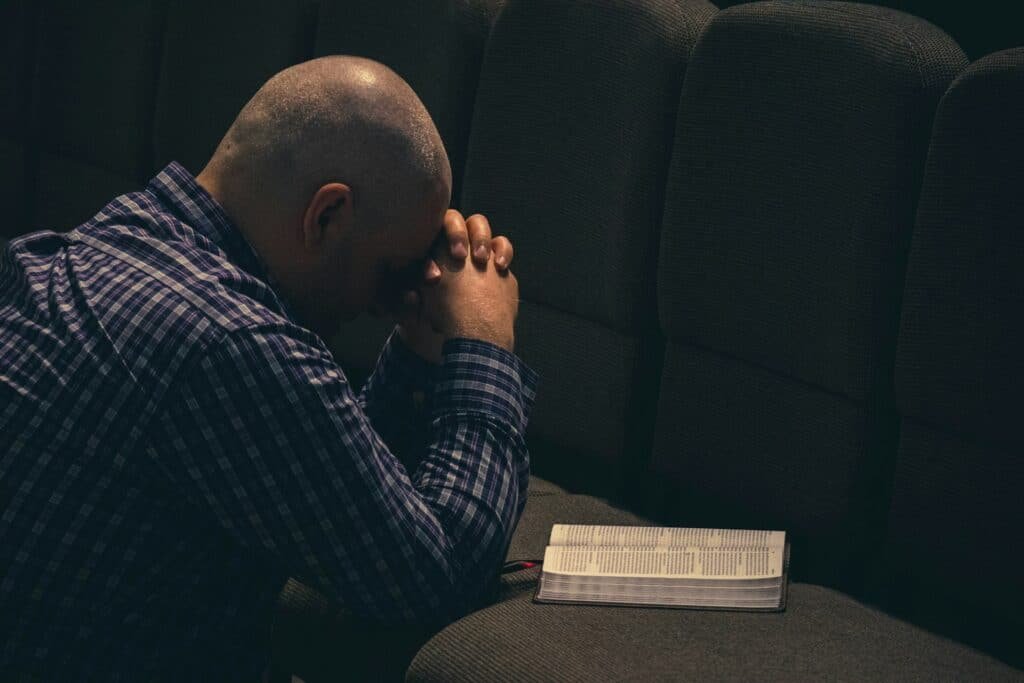
One of the best ways to hear from God is to spend time with Him in prayer. Prayer is simply a conversation with God. You talk to Him, and He talks to you. However, communication with God isn’t limited to formal prayer. Often, God speaks to me unexpectedly when I’m doing everyday activities, like housework, taking a shower, driving, or working. This happens because I’ve been spending time with Him and tuning my heart to hear His voice by being spiritually minded. Hearing God can occur during prayer or while reading the Word, but it can also happen at any other time throughout the day. There are no strict boundaries when it comes to our relationship with God. We walk and talk with Him continuously, so we should anticipate His guidance and messages as we go about our daily lives. The expectation of the righteous will not be cut off. Expect God to speak to you every day.